



The Heat is On Collection, Norman Winter - Go Green for Your Garden Improve Your Soil with Compost
Go Green for Your Garden Improve Your Soil with Compost. Incorporating organic matter helps loosen tight heavy soils so they will drain or improve sandy soil's ability to hold water and nutrients. You win no matter your soil type.
Go Green for Your Garden Improve Your Soil with Compost
|
|

This bed is having compost tilled in and new azaleas will soon be planted. |
This large pile of compost will soon be placed in river like beds for planting Louisiana iris. |


These Louisiana irises are blooming and in native soil that has had a good layer of compost incorporated to provide the ideal environment for growth.
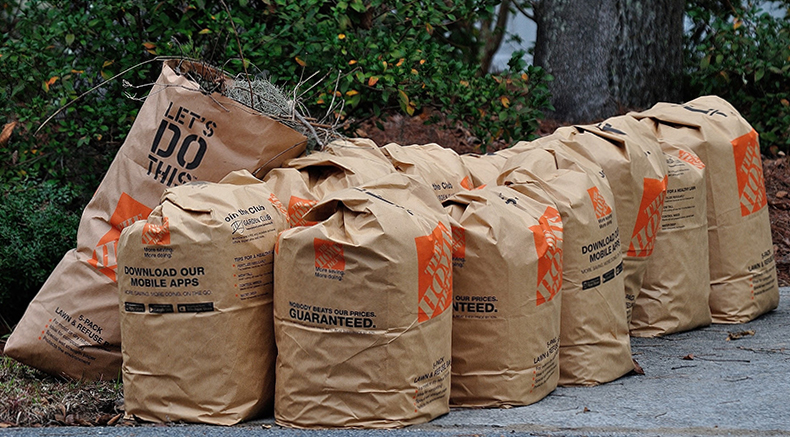
A drive around neighborhoods this time of the year and will become quite apparent that a gold mine of soil amendments is being placed at the roadside. I suppose it has always happened, but with the advent of paper lawn refuse bags it is now much more apparent. The scene is surreal.
On the positive side, some County Public Works departments in Georgia and hopefully your state too composts this waste and gives it back to the public. Does your county?
I suppose the real question is: Do you take advantage of it? Those, dozen or so bags of leaves at the street side have the potential of helping you start a compost pile that will pave the way to a great new azalea bed, cottage garden or tropical paradise.
When I was Director of the Coastal Georgia Botanical Gardens, we took advantage large loads of free compost to build what we called Rivers of Iris, a leading site in the country displaying Louisiana iris.
My children grew up learning the phrase, "the key to the green thumb is how brown it gets first, in soil preparation." Compost, that dark crumbly organic material, is the key ingredient to the garden recipe.
Incorporating organic matter helps loosen tight heavy soils so they will drain or improve sandy soil's ability to hold water and nutrients. You win no matter your soil type.
I remember well a master gardener friend in Ocean Springs, Miss., who took this to heart. The last time I was at his home I was as impressed by his compost bin set-up as I was by his glorious gingers and firespikes blooming. This was the best compost setup I have ever seen in a home garden. It was a series of three bins holding different stages of decomposition.
The system was larger than most gardeners use because he could not stand to see what others were throwing away. He would drive the neighborhood, picking up their leaves, clippings and other organic treasures to place in his compost system.
Even though your county might pick it up, it is a good idea to have your own. At home we can do the same thing on a smaller scale by layering leaves or grass clippings 3-8 inches tall, covering them with 2-3 inches of top soil, and repeating the layers. The grass clippings provide nitrogen that aids in decomposition. It's not a bad idea to add a half cup of ammonium nitrate per eight bushels of leaves.
You may be worried that compost piles will stink, but under proper conditions they do not have an unpleasant odor. A true gardener relishes that earthy fragrance. Keep the pile moist, not soggy, and well aired for good microbial growth, good heating and decomposition. Lack of moisture and air will reduce microbial activity. Too much moisture may cause undesirable decomposition, which can lead to foul odor.
Compost piles can reach temperatures of 150 degrees inside from the heat given off by the microorganisms. I love seeing large piles of compost on a crisp morning. They will be smoking as if they are cooking. Actually, they are cooking up something good for us to use in the landscape.
With proper nitrogen and turning of grass clippings, the process can take as little as 10 to 12 weeks. Leaves take a little longer, and larger pieces of plant material, such as wood chips or limbs, may take six months to a year. You will be amazed at the potential of bark to turn into organic treasure.
You don't have to have big bins - let the size fit your yard. One of my favorite methods of building a compost bin is to use discarded wood pallets. You can easily make a square bin from four pallets by wiring the corners together.
Around my area of Georgia, we will be raking leaves and pine straw for quite some time. This is the reason some of our streets are lined with paper bags or plastic bags as well as the giant green movable bins for automated pick up. But even if yours are already gone, spring will be coming sooner than you think and grass clippings will either become your trash or treasure.
I cast my vote for treasure, for "Going Green for the Garden." I promise you all great gardens have one thing in common and that is good soil.