



Finding the Right Plant Articles

If you’ve struggled with tall garden phlox, bee balm or spike speedwell in the past, I’m sharing some newer, disease resistant varieties for the North that should be easier and more reliable for you to grow.
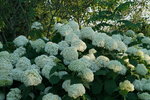
Perhaps more than any other flowering shrub, hydrangeas have gone through a revolution in the last decade or so. Now they flower better and longer, many offer repeat flowering, and there are more unique flower shapes and colors available. Let me tell you about some of my favorites, then I’ll share my growing tips at the end.
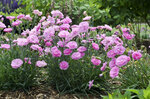
Proven Winners has taken all those classic Dianthus qualities and elevated them with larger blooms, improved flowering and exceptional garden performance.

If there’s a spot in your garden where the light shifts from sunny to shady through the seasons, these flexible annuals are just what you need.

There’s a quiet shift in how a garden responds when we partner with it and help it grow into its best self. Here are four ways you can be a better steward of your garden.

Wondering what you could be doing in your warm-climate garden to help it thrive? Check here for seasonal tips, ideas, and inspiration from California master gardener Janey Santos, tailored for West Coast growing conditions.

Ever since I was young, I dreamed of becoming an agricultural researcher. Testing fresh varieties for Proven Winners really fuels that lifelong passion. It’s like a new garden adventure every season!
Last year, my garden was filled with inspiring new Proven Winners annuals, and I’m excited to share the standouts with you.

If the budget is tight and free time is even harder to come by, you don’t need to forfeit your dreams of having a beautiful garden – you simply need to be smart about what you plant. Here are three types of annuals that offer loads of color without demanding your constant attention or breaking the bank.

Plant the Supers in Early October – They Will Give Winter the One Two Punch

Dog Days Transformation with Heart to Heart® Caladiums