



Pruning – Here’s why it’s worth your time.
While it might feel counterintuitive to cut back your favorite shrubs and trees, understanding the long-term benefits of pruning is essential for any thriving landscape. Taking the shears to your garden isn't just about aesthetics; it is a vital part of plant health maintenance that prevents disease and removes dead weight. By focusing on dormant season pruning, you minimize stress on the plant and provide a clear view of the branch framework for better accuracy. Whether you are following structural pruning tips to improve a tree's shape or simply thinning out dense areas to improve airflow, your efforts play a direct role in encouraging new growth. Investing a little effort now ensures a more vigorous, bloom-heavy performance when the growing season arrives.
What’s the secret of transitioning from a competent gardener to a confident one? Understanding pruning. Though this garden task strikes fear into the hearts of many, it is actually a simple and rewarding process. All you need to do to master it is to understand a few basic principles of pruning. If you take the time to prune, you will see a healthier, more floriferous garden that same season.
The Science Behind Pruning
To really understand why pruning is necessary, you need to know what pruning does to a plant physiologically. Plants are genetically programmed for apical dominance. That’s a botanical term that describes the simple phenomenon that plants always want to grow upward. Apical dominance is enforced by the terminal bud – the bud at the end of each stem - which produces a constant supply of hormones that keep the buds below it from growing. When that terminal bud is removed, production of those suppressive hormones ceases, and the lower buds are released. As a result, pruning stimulates a lot of new growth, as multiple buds take over the job that just one single bud was doing previously.
| Benefits of PruningFor the gardener, the new growth that results from pruning can result in any of the following things, depending on the kind of plant:
|
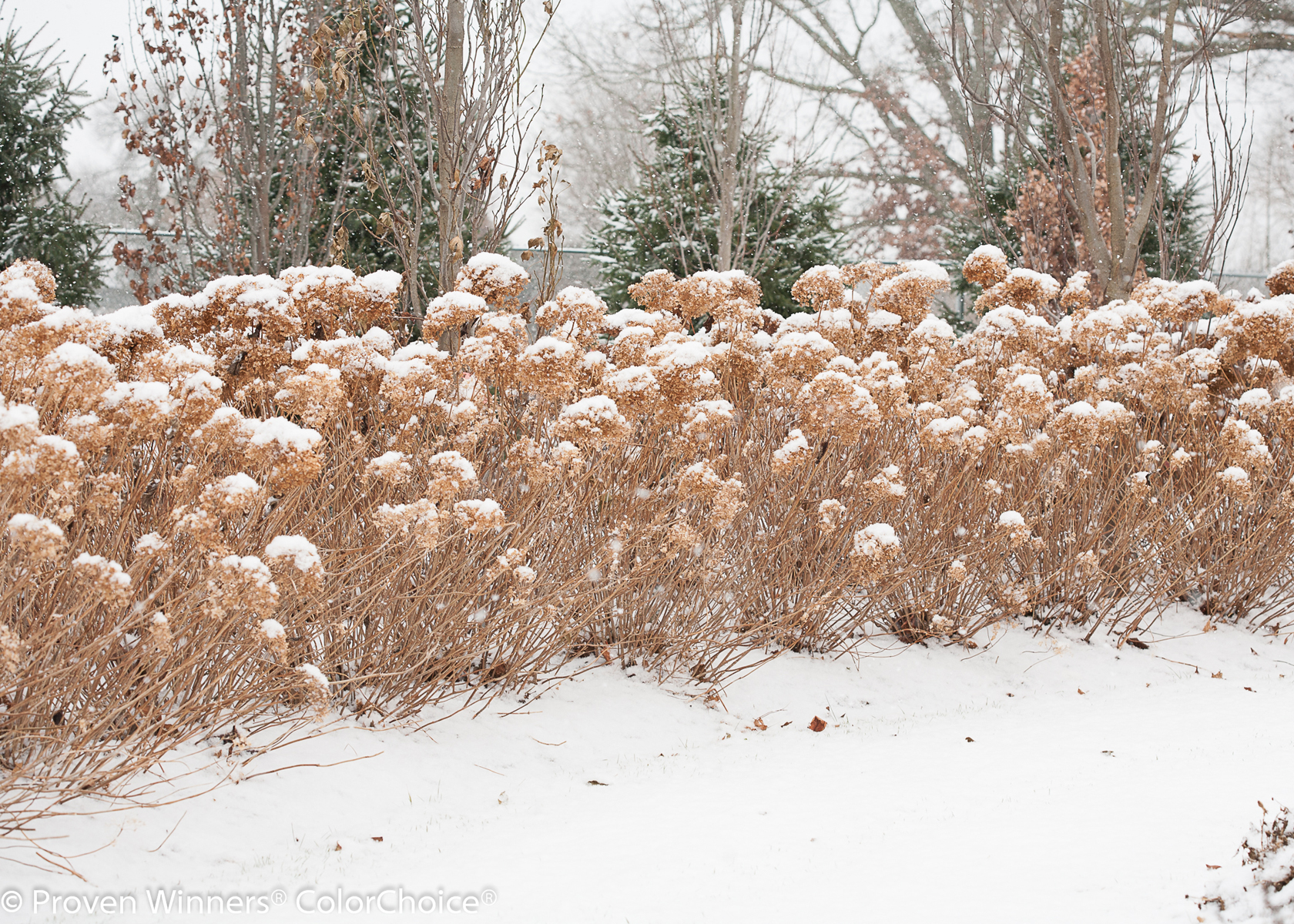 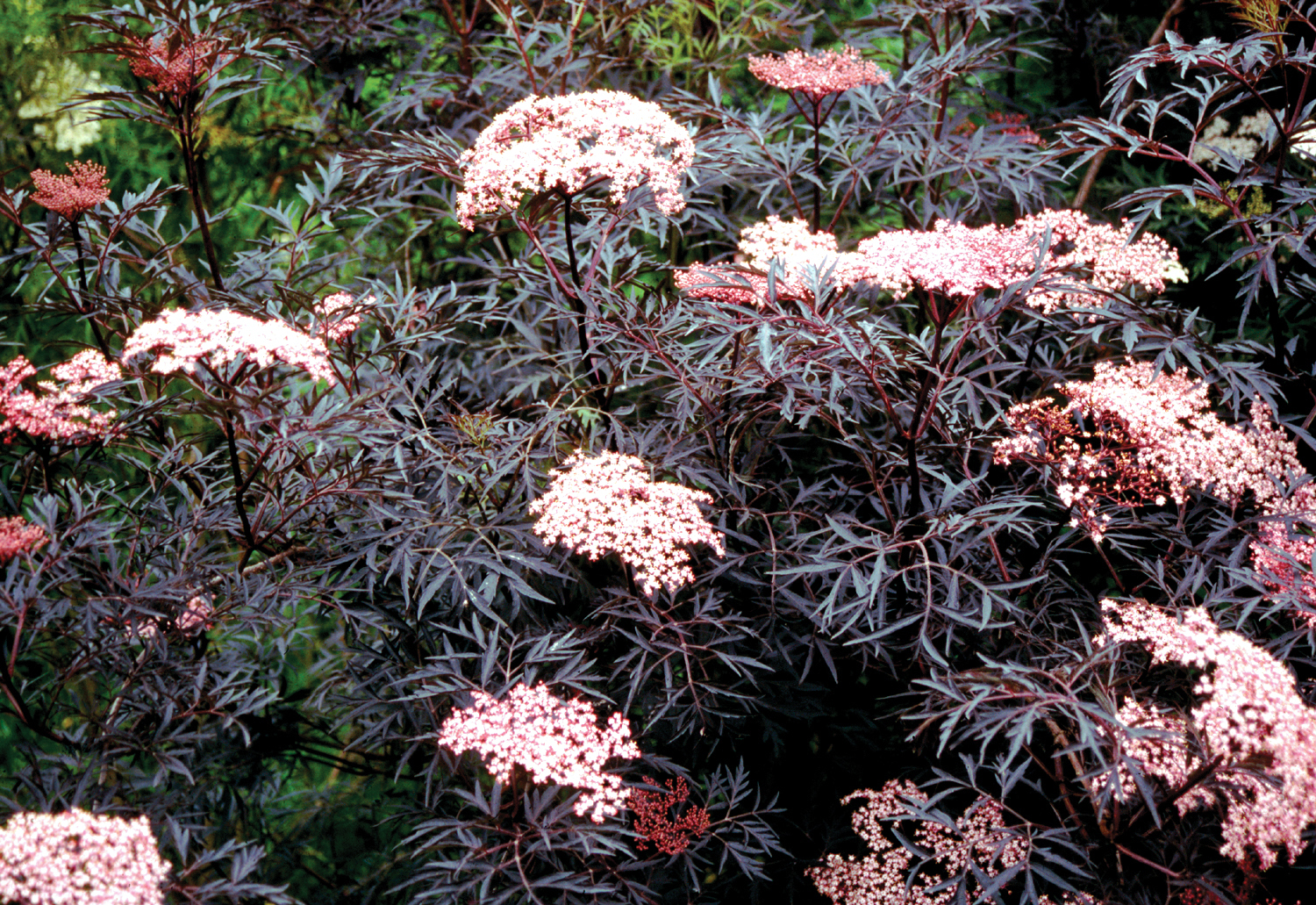 | The Practical Side of PruningIn addition to getting better flower and foliage color on your shrubs by pruning, there are some practical reasons you may need to do some pruning including:
|
| There are many good reasons to prune shrubs but it’s important to know that pruning is not strictly necessary. No plant dies from a lack of pruning, but plenty die from being pruned improperly. There are plenty of reasons not to prune shrubs too. For example, if you are happy with a shrub’s size, looks, and performance, there is no need to prune it. If it is a dwarf variety, like Show Off™ Sugar Baby Forsythia, it will require little to no regular pruning. You should never prune without a reason. Every other pruning decision you’ll make, like when to prune and how much, will come back to the reason you’ve decided to prune in the first place. If you start with a good reason, you will always know what pruning needs to be done next. See P. Allen Smith’s take on pruning in this fun and informative video. |
Contributor: Stacey Hirvela
Contributor Bio: A graduate of the School of Professional Horticulture at the New York Botanical Garden, Stacey has worked as a Manhattan rooftop gardener and as the horticulturist for Tavern on the Green restaurant in Central Park. For six years, she worked as a garden editor at Martha Stewart Living magazine where she created, wrote, and edited garden content and co-hosted a call-in radio program. Stacey is currently a member of the Proven Winners ColorChoice Shrubs marketing team, a popular speaker, and author of the book Edible Spots and Pots (Rodale, 2014).