




How to Keep Kids Learning This Summer
When the school bells ring for the final time in June, the focus usually shifts to poolside fun and relaxation. However, many parents worry about summer learning loss, where students lose critical academic ground during the long break. The key to successful summer slide prevention isn’t turning your living room into a rigid classroom, but rather integrating educational summer activities into your daily routine. By prioritizing interactive learning and introducing fun educational games, you can keep young minds sharp without sacrificing the joy of vacation. With just a little bit of intentionality, you can ensure your kids return to school in the fall feeling confident and ahead of the curve.
| Your garden is more than just a pretty space to grow your favorite plants. It’s also a place for children and families to play, explore, learn, work, grow and be together. Do you have young children? Consider that gardening can aid in gross and fine motor skill development, balance, body management and object control. Planting tiny seeds, carrying tools, soil and water, walking while balancing heavy or awkward objects, running across the garden - all of these tasks help to develop a child’s physical being. Learning to pinch seeds between their fingers will in turn help a child hold a pencil. Finding balance while carrying a potted plant will also help them carry a book over to you to read at bedtime. All of our motor skills are interconnected. |
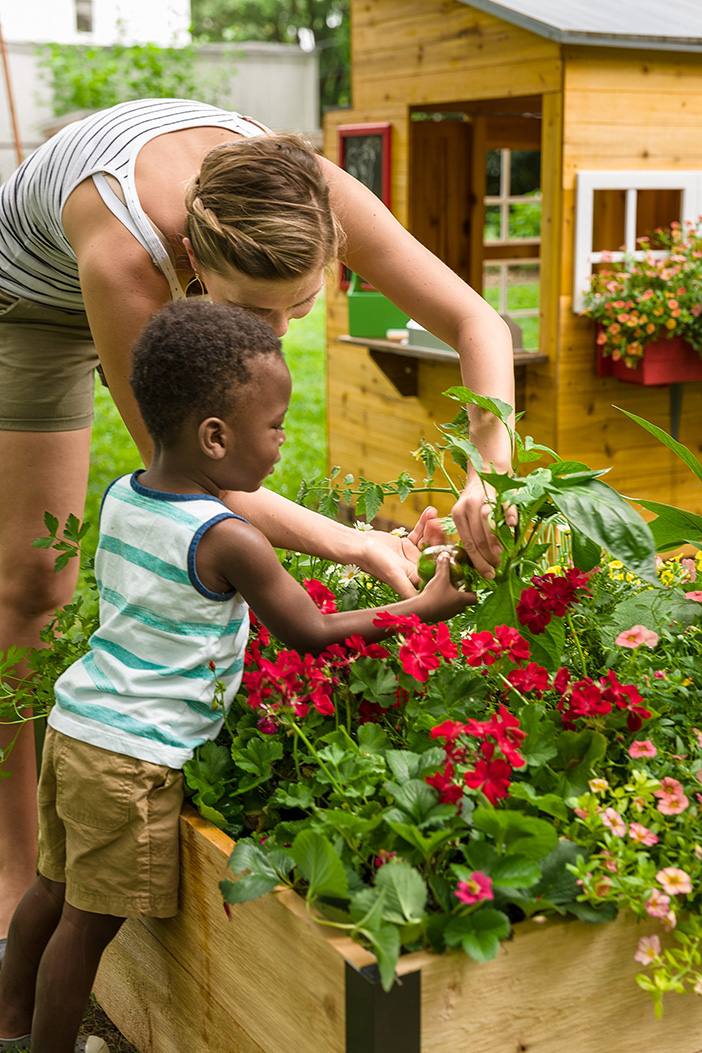
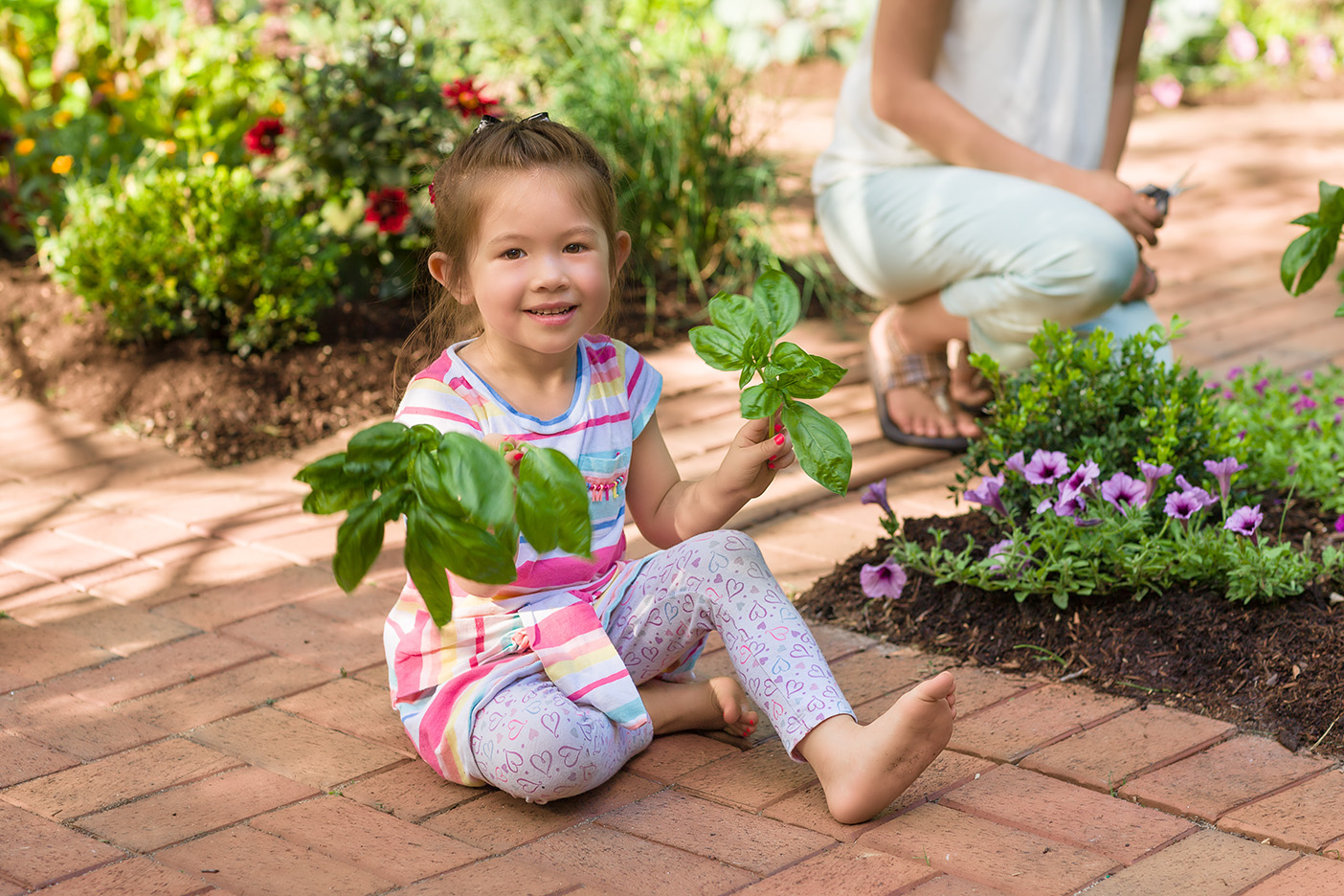
| Gardens are filled with sensory experiences. It’s where we learn what sweet strawberries taste like when plucked from the stem, how smooth-textured leaves feel when rubbed between our fingertips, and what fresh basil smells like. Running barefoot through the sprinklers on a hot summer day is an experience that burrows deep into our memory. Close your eyes and it’s easy to recall that joyful feeling now even if it happened long ago. |
| Gardening also has numerous mental health benefits. Multiple studies have confirmed that being in direct contact with the soil and microbes it contains while digging or planting helps to improve mood, decrease anxiety and have a better learning experience. Gardening together as a family promotes teamwork, sharpens communication skills, and fosters a sense of mindfulness and responsibility for our environment. Cognitive development is yet another area where gardening can help children grow. Intellectual skills like analyzing information, predicting outcomes, remembering skills, executing processes like planting, watering and weeding are all put to use while gardening. Planting seeds to a particular depth or width apart requires the use of a ruler, engaging math skills. Understanding air and soil temperature is another key learning experience. |

| If you are ready to get out into the garden with your children over summer break, consider these nine lessons:
|
Want to dive deeper?
- Read our Family Gardening Guide.
- Find kids gardening projects in Club Sprout.
- Find a DIY garden project to try this season.
Stay up to date with Proven Winners on Facebook, Instagram, Pinterest, YouTube and TikTok.
Contributor Bio: Susan Martin is an avid zone 6 gardener and content creator who enjoys spreading her passion for plants to others across North America.
All images courtesy of Proven Winners.